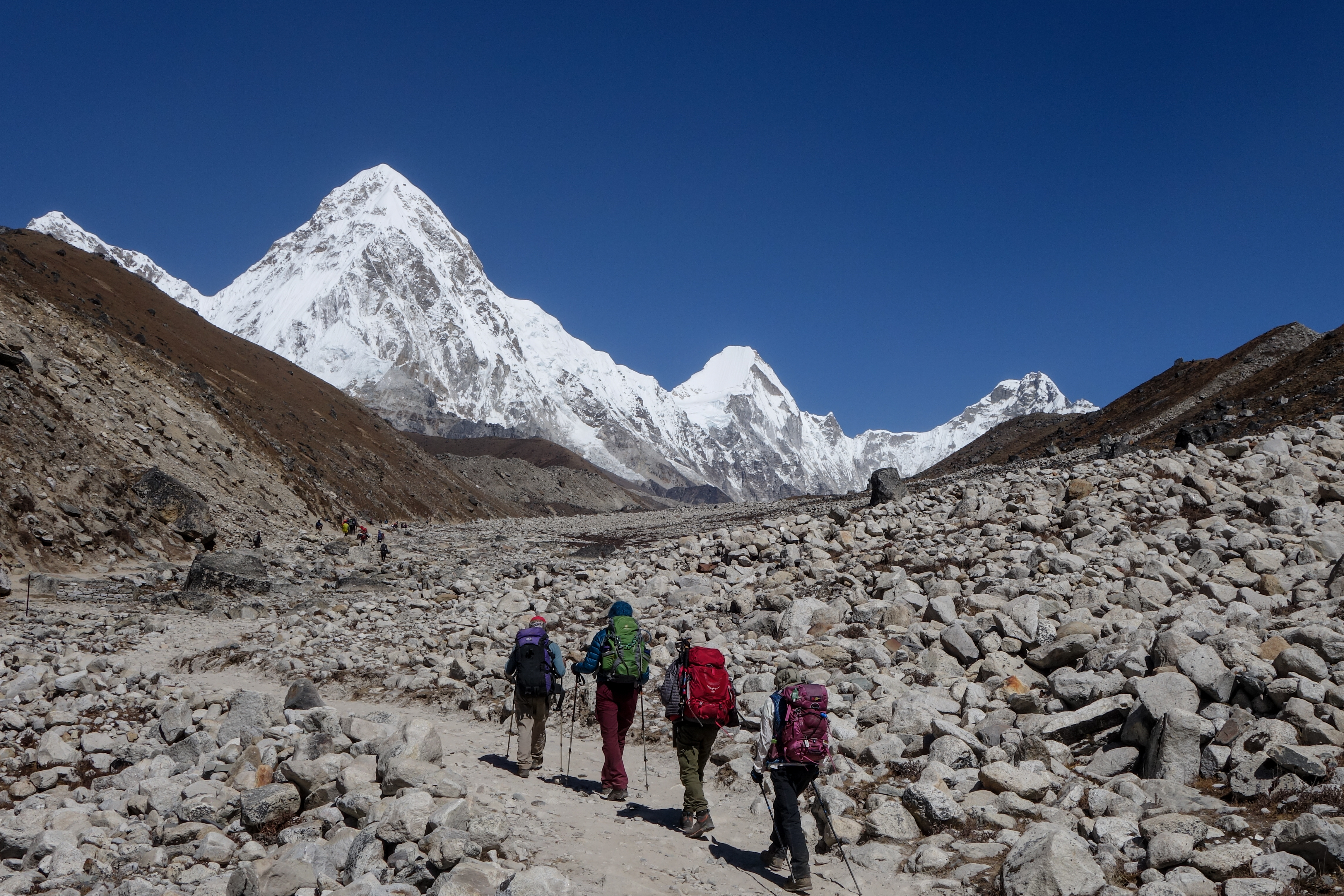
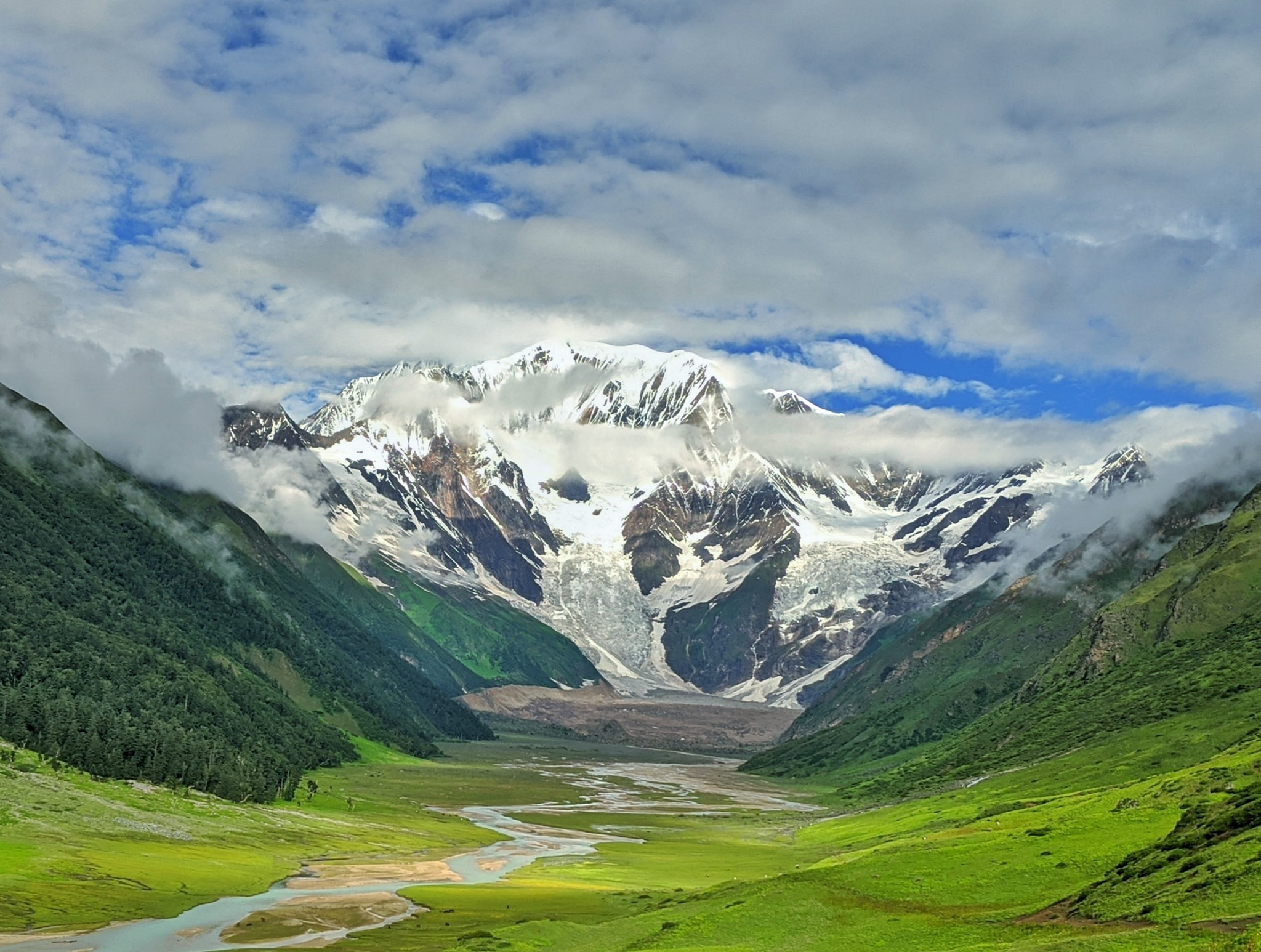
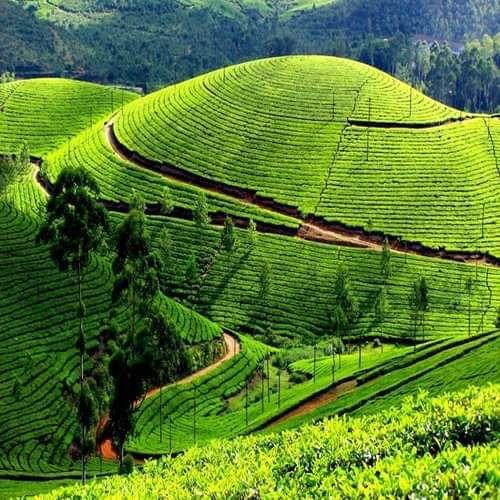
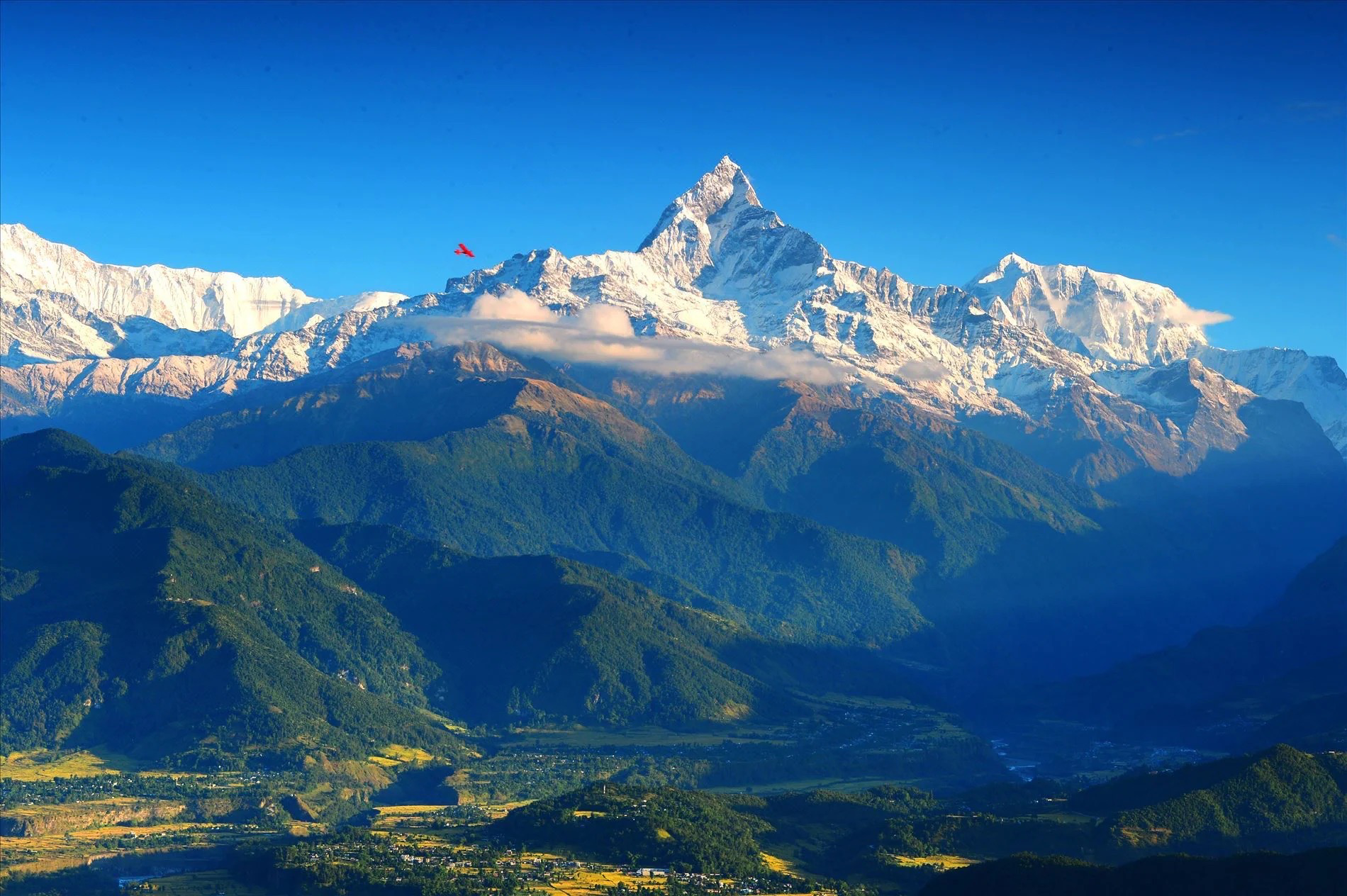
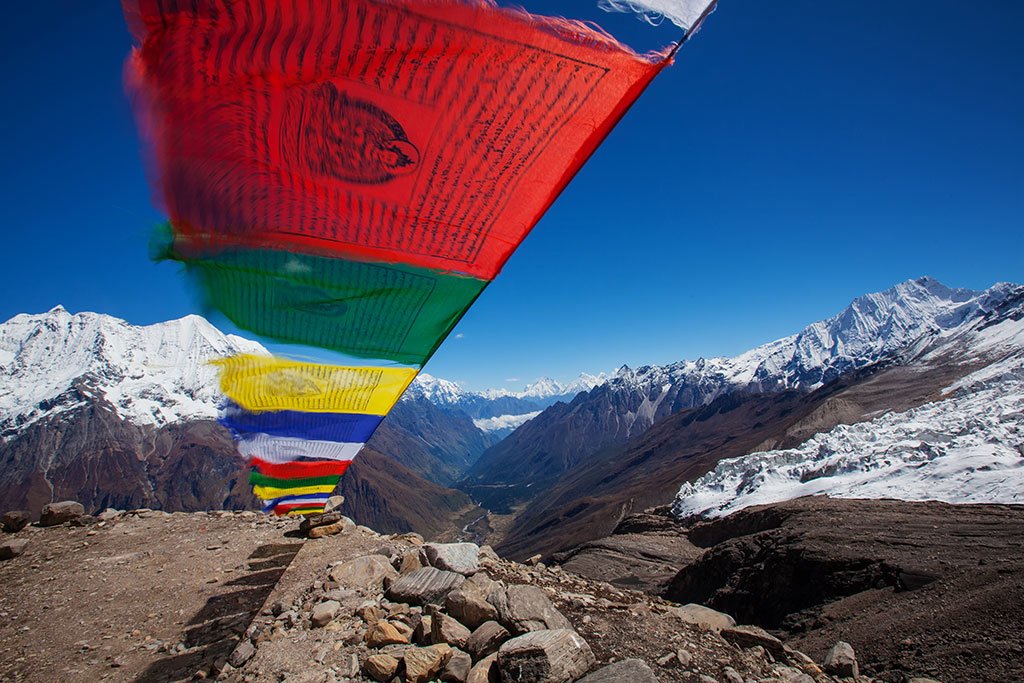
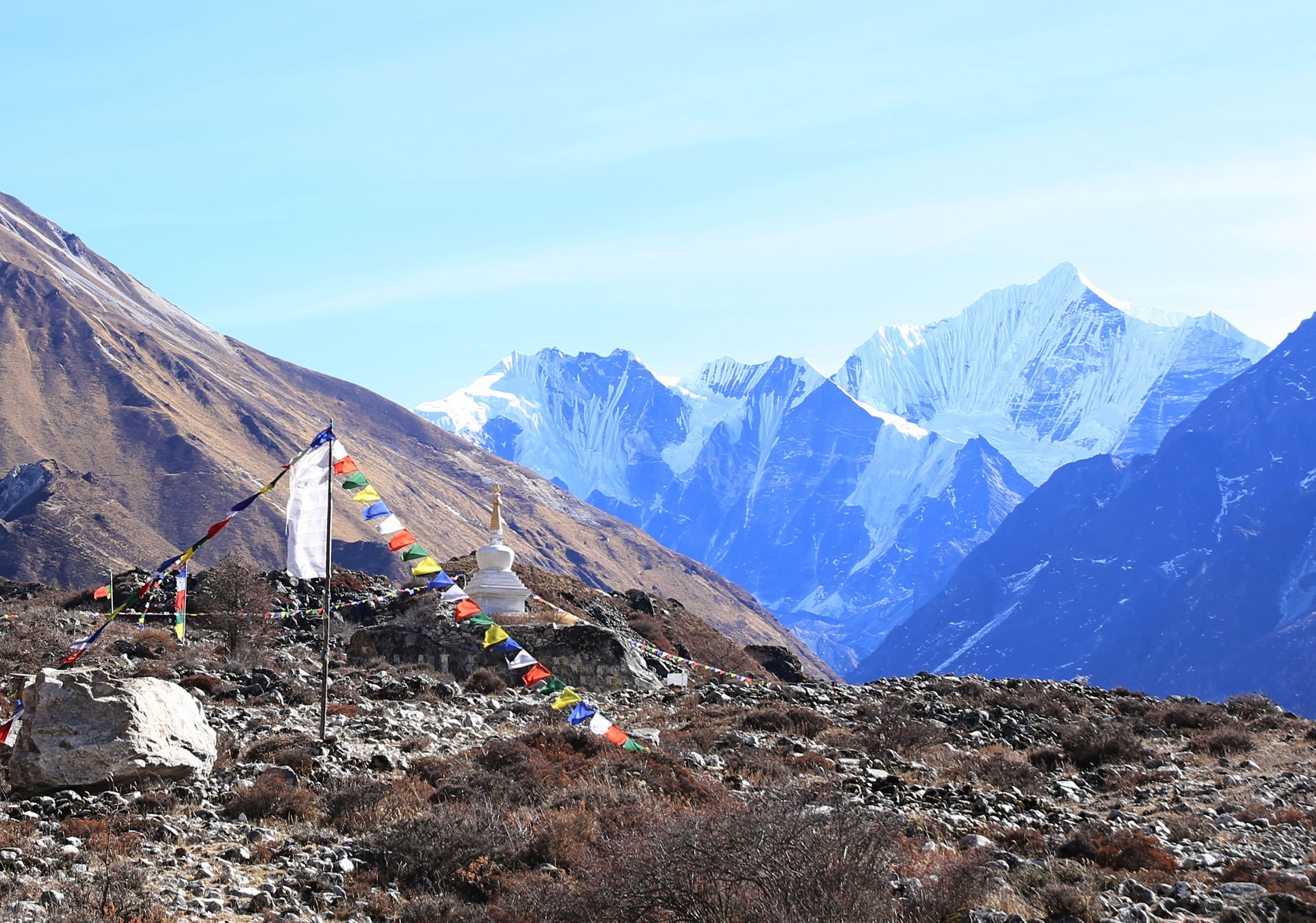
Nepal is one of the world's most extraordinary trekking destinations, offering landscapes that range from the subtropical lowlands of the Terai to the glaciated peaks of the high Himalayas. Between these extremes lie terraced hillsides, deep river gorges, ancient trading routes, and a tapestry of cultures — Gurung, Sherpa, Thakali, Magar, Tamang, and many others — that make every trek as much a cultural journey as a physical one.
Contrary to a common misconception, trekking in Nepal is rarely a solitary wilderness experience. Most major trails pass through working villages, teahouses, and local markets. Trekkers share the route with yak herders, porters, pilgrims, and fellow travellers from around the world. For those who prefer a quieter experience, a growing number of off-the-beaten-path trails offer genuine remoteness without sacrificing safety.
Spring is one of the two prime trekking seasons. Temperatures are warm and stable, rhododendron forests burst into bloom (particularly vivid in the Annapurna region), and the high passes become accessible after winter snowfall. Rain begins to increase in May and some low-lying trails become humid.
The post-monsoon season is widely regarded as the best time to trek. Skies are clear, visibility is exceptional, and the landscape is lush and green from the recent rains. October is the busiest and most popular month, especially on the Everest and Annapurna circuits.
Cold but feasible on lower-altitude trails. High passes such as Thorong La on the Annapurna Circuit may be closed or extremely challenging. Teahouses in popular areas remain open. Clear skies and quiet trails make it an attractive option for those willing to handle sub-zero temperatures at altitude.
The least popular season for most trekking routes due to heavy rainfall, leeches on lower trails, and reduced visibility. However, the rain-shadow areas north of the main Himalayan range — including Upper Mustang and Dolpo — remain largely dry during the monsoon and are well worth considering for experienced trekkers with appropriate guidance.
Nepal's trails span a wide spectrum of difficulty, from gentle valley walks to multi-week expeditions over 5,000-metre passes. A general guide:
Beginner / Low-altitude treks (e.g. Ghorepani Poon Hill, Langtang Valley): Suitable for anyone with a moderate baseline fitness who can walk uphill for a few hours at a stretch. No prior trekking experience is required.
Intermediate / Mid-altitude circuits (e.g. Annapurna Base Camp, Everest Base Camp): Require a reasonable level of cardiovascular fitness, comfortable footwear, and an understanding of altitude sickness. Prior hiking experience is an advantage.
Advanced / High-altitude or multi-pass treks (e.g. Annapurna Circuit, Three Passes Trek, Manaslu Circuit): Demand good physical conditioning, solid prior trekking experience, and ideally some familiarity with high-altitude environments. Training in the months before departure is strongly recommended.
The key principle at altitude is this: ascend gradually. No amount of fitness compensates for gaining elevation too quickly.
All trekkers in Nepal are required to carry the appropriate permits for their chosen route. The main permit types are:
TIMS Card (Trekkers' Information Management System): Required on most standard trekking routes. Green TIMS cards are for independent trekkers; Blue TIMS cards are for those travelling with a registered guide or agency. The TIMS system exists to maintain a record of trekkers on the trail and supports local infrastructure.
Conservation Area or National Park Entry Permit: Required for treks entering protected areas. The Annapurna Conservation Area Permit (ACAP), Sagarmatha National Park permit (Everest region), and Langtang National Park permit are the most commonly needed. These can be obtained in Kathmandu or Pokhara.
Restricted Area Permit: Required for treks entering designated restricted zones such as Upper Mustang, Upper Dolpo, Nar-Phu Valley, and Tsum Valley. These permits are more expensive, can only be obtained through a registered trekking agency, and often require a minimum group size. They serve to regulate visitor numbers and protect fragile cultural and natural environments.
Most trekkers on the Annapurna, Everest, and Langtang routes will need both a TIMS card and the relevant conservation area or national park permit. Check current requirements before departure, as permit rules and costs are periodically updated.
Popular Trekking Routes
Annapurna Region
The Annapurna region is Nepal's most-visited trekking area, offering an exceptional diversity of landscapes and cultures within a single circuit.
Mustang Region
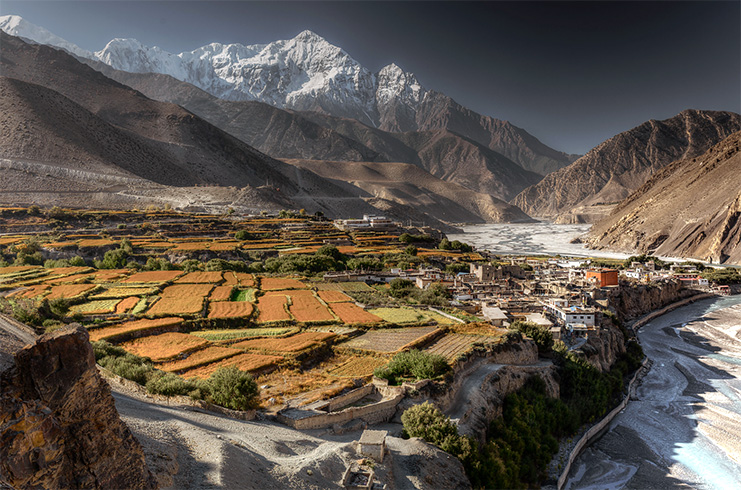
The Mustang region lies in the rain shadow of the Himalayas, bordering Tibet. Its dramatic arid landscape, ancient cave monasteries, and Tibetan Buddhist culture make it unlike anywhere else in Nepal.
Manaslu Region
The Manaslu region offers a quieter, wilder alternative to the Annapurna Circuit, circling the world's eighth-highest peak through remote Tibetan-influenced villages and dramatic high-altitude terrain. A restricted area permit is required.
Everest Region
Makalu Region
The Makalu region in eastern Nepal is one of the country's least-visited trekking areas, offering true wilderness, extraordinary biodiversity in the Makalu Barun National Park, and close-up views of the world's fifth-highest peak.
Langtang Region
Kathmandu Valley and Surrounds
Far West Region
The Far West is Nepal's most untouched trekking frontier. Vast, wild, and culturally distinct, this region sees very few visitors, making it ideal for trekkers seeking genuine off-the-beaten-path adventure. Infrastructure is limited — thorough preparation and a knowledgeable guide are essential.
Far East Region
The far eastern corner of Nepal is dominated by the Kanchenjunga massif — the world's third-highest mountain — and offers some of the most dramatic and remote trekking in the country. This is a restricted area requiring a special permit and a registered guide.
Acute Mountain Sickness is the most significant health risk on Himalayan treks and should be taken seriously by every trekker above 3,000m. Symptoms include headache, nausea, fatigue, dizziness, and loss of appetite. The rule is simple: if symptoms appear, do not ascend further. If symptoms worsen, descend immediately.
The standard prevention measures are:
The Himalayan Rescue Association operates clinics at Manang and Pheriche and provides free altitude sickness briefings to passing trekkers — these are highly recommended.
Well-marked trails in the Annapurna, Everest, and Langtang regions are generally suitable for confident independent trekkers. A local guide adds safety, cultural insight, and economic benefit to the communities along the route, and is strongly recommended for anyone new to altitude trekking or venturing onto less-travelled trails. Guides also serve a critical safety function in the event of sudden weather changes or medical emergencies.
Nepal's trekking routes are, in the end, more than trails. They are corridors through some of the most extraordinary landscapes on earth, passing through cultures with deep roots and extraordinary hospitality. With thoughtful planning, appropriate preparation, and respect for the mountain environment and local communities, trekking in Nepal delivers an experience that remains with you long after you return home.