Trip Grade
Strenuous

Duration
20 days

Daily Activity
4-7 hours

Country
Nepal

Season
Spring/autonm

Group Size
2-10 Pax
Max Altitude
6,119M/20,075 FT

Transportation
Private Vechile /airplane

ACCOMMODATION
Tea House/ Camping

Trip Type
Expedition
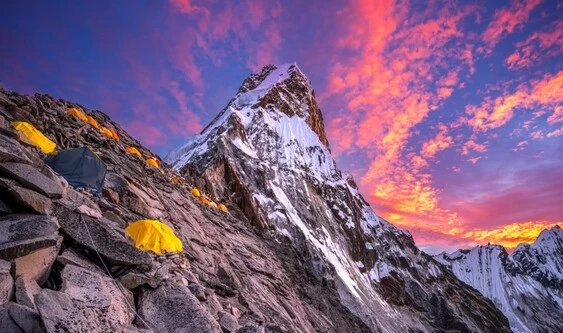
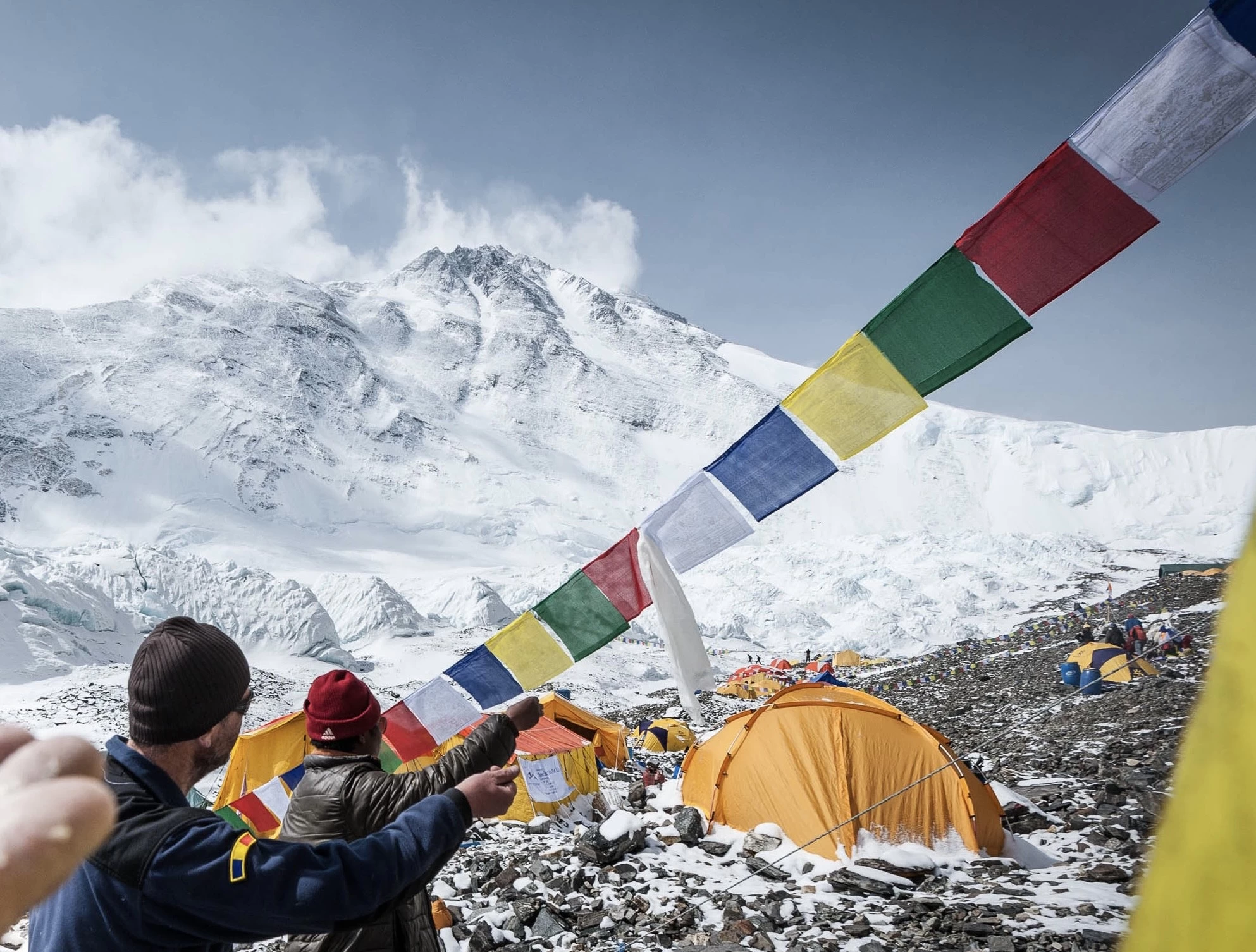
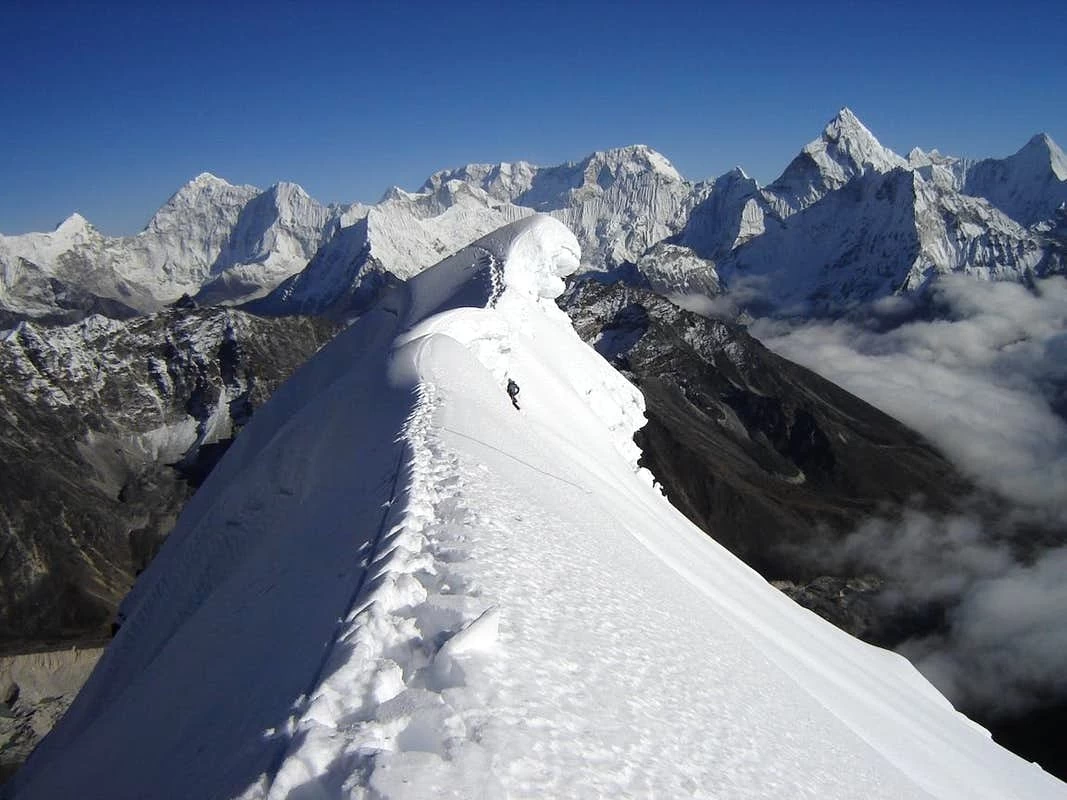
Lobuche (also spelt Lobuje) is a Nepalese mountain which lies close to the Khumbu glacier and the settlement of Labuche . There are two main peaks, Lobuche Far East and Lobuche East (often mistaken for Lobuche West which is a separate mountain further west). At 6,145 metres (20,161 ft), Lobuche East is 26 metres (85 ft) higher. Between the two peaks is a long deeply notched ridge. Combine the thrill of the Himalayan trekking with challenge of peak climbing on the unforgetable journey to Everest Base Camp and Lobuche East Peak Trek through legendary Sherpa Villages, ancient monasteries and breathtaking glacier valleys before standing at the foot of the World's highest mountain.
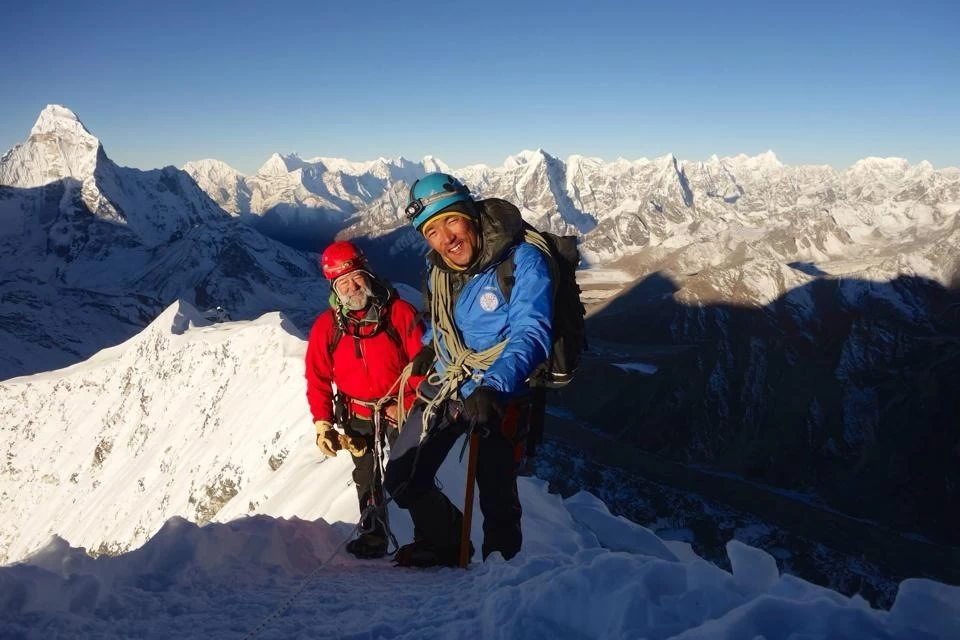
The superb views from Mt. Lobuche make it one of the the most quintessentially-popular Himalayan treks, despite it is a bit more challenging than Island Peak climb, it is equally rewarding. From the peak you get amazing views of Everest alongside Lhotse Nuptse, Ama Dablam and Pumori and other surrounding Himalayan giants. Perfect for adventure seekers looking to experience both trekking and mountaineering in one epic expeditions through the heart of Everst region.
Trip Highlight
DAY
1
DAY
2
DAY
3
DAY
4
DAY
5
DAY
6
DAY
7
DAY
8
DAY
9
DAY
10
DAY
11
DAY
12
DAY
13
DAY
14
DAY
15
DAY
16
DAY
17
DAY
18
DAY
19
DAY
20
Trip Start: 2026-10-20
Trip End: 2026-11-02
spots available
Having the right equipment on your adventure trips will make almost as much difference to your success, safety, comfort, and enjoyment as any physical training you do. It is essential that you take the time to acquire the correct gear; don’t wait for the last minute to find out your local shop doesn’t have your size. This equipment is expensive, but you can often find great sales online and at your local gear store. The purpose of this gear list is to help guide your purchases.
This list is a guide. While you are required to bring everything on this list, there are numerous options, brands, and versions of each piece of equipment, unless otherwise noted. Using our current suggested brand list we encourage you to shop around, do research, use your experience and the listed features to find the best gear for you.
During your time in the mountains, you will encounter a very wide range of temperatures and weather conditions. At one end of this range is the pleasantly warm and beautiful low land, while at the other end of the spectrum is found the cold and often windy weather of the highest peaks in the world. The equipment you bring must function well in a wide variety of conditions. Your clothing should be warm, lightweight, dry quickly, and allow good freedom of movement. The layering principle, based on several thin layers of insulation
(rather than one thick one), covered with an outer weatherproof shell, meets these needs well.
A Note on Packing
For your international flights, we recommend that you pack all your equipment in your two duffle bags. Do not simply pack your backpack (since the straps can be damaged by the baggage handling machines). It is important to lock these bags for their trip. Depending on the airport, you may be able to put your travel locks on after TSA has searched the bags. If not, Lock the bags with Zip Ties. If the TSA cuts off the zip-tie to search your bag, they will replace it. You will still need the travel locks to lock your bags in the hotel and during the expedition. Generally, you will take one duffel up to Base Camp, and leave one in the hotel in Kathmandu with your belongings for your time in the city. Your trek in duffel will only be accessible in the evenings (with items such as changes of clothing, sleeping bag), and your day pack will hold vitals such as water, layering, blister kit, and camera.
Important Notes:
Tips:
Clothing
Footwear
Handwear
Headwear
Climbing Gears
Backpacking
Accessories
Hygiene and first aid
Others
1
Not necessarily. Fit trekkers with good physical conditioning can climb Lobuche East with proper training and guidance. Basic mountaineering skills such as using crampons, an ice axe, and fixed ropes are highly recommended
2
The best seasons are Spring (March–May) and Autumn (September–November), when weather conditions are generally stable and mountain views are at their best.
3
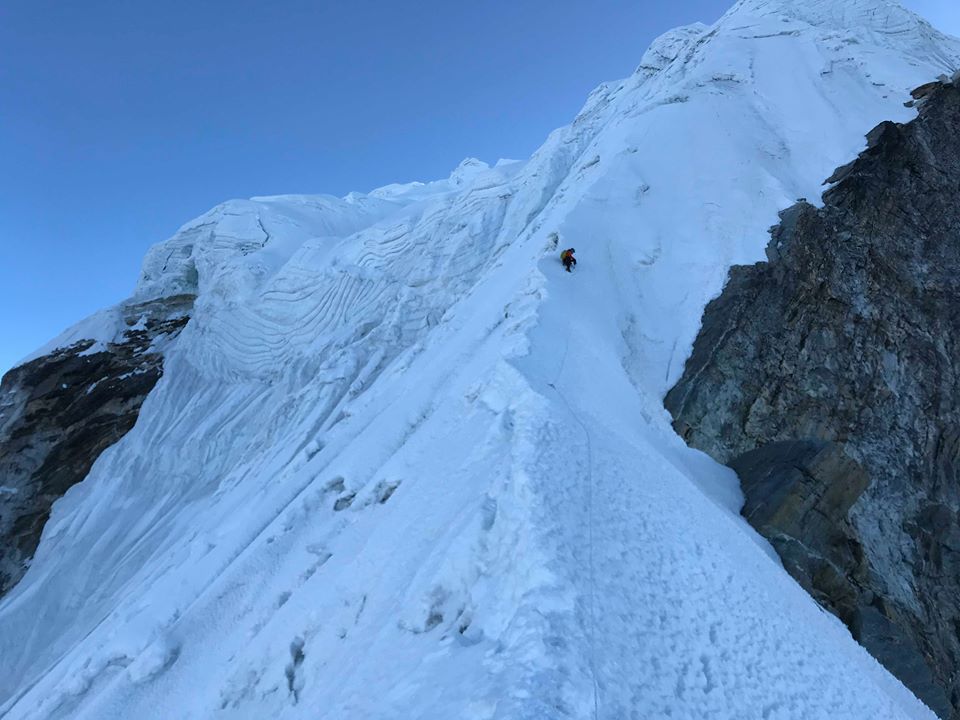
The Everest Base Camp trek is a strenuous high-altitude trek, while Lobuche East (6,119 m / 20,075 ft) adds a technical climbing component with snow, ice, and fixed-rope sections near the summit.
4
Most itineraries take 16–20 days, including acclimatization days, the trek to Everest Base Camp, and the summit climb of Lobuche Peak. The duration can vary depending on your available time, fitness level, and how many acclimatization days you choose to include for a safer and more enjoyable experience at high altitude
5
Everest Base Camp sits at 5,364 m (17,598 ft), while the summit of Lobuche East reaches 6,119 m (20,075 ft). Proper acclimatization is essential to reduce altitude-related risks.