Trip Grade
Strenuous

Duration
17 Days

Daily Activity
4-7 hours

Country
Nepal

Season
Spring/autonm

Group Size
2-10 Pax
Max Altitude
5160 meters

Transportation
Private vehicle

ACCOMMODATION
Tea Houses

Trip Type
Trekking
Central Himalayas, Nepal
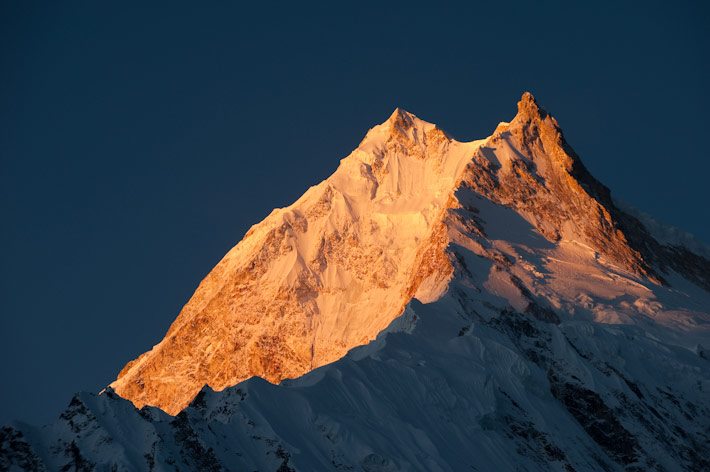
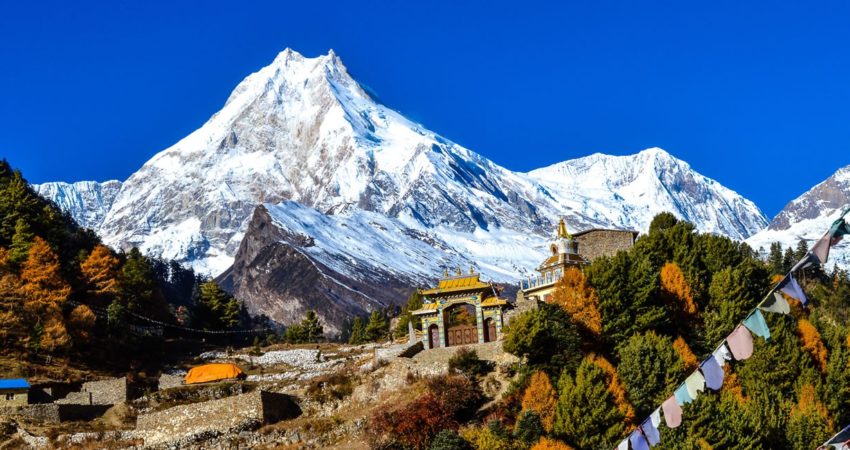
While Everest and Annapurna draw the crowds, Mt. Manaslu (8,163 m) — the world's eighth-highest peak — calls on those who seek the undiscovered. A pristine 177 km loop through gorges, glaciers, and living Tibetan culture, culminating at the legendary Larkya La Pass.
Why choose Manaslu?
The Annapurna Circuit received nearly 250,000 visitors in 2024. Manaslu received 12,000. The trails are wide enough for you alone.
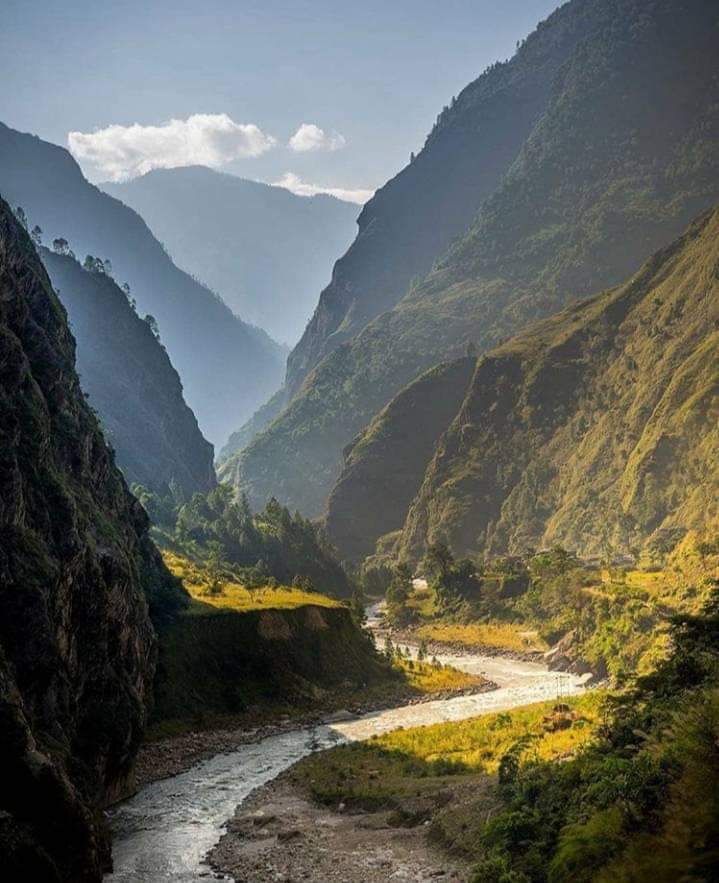
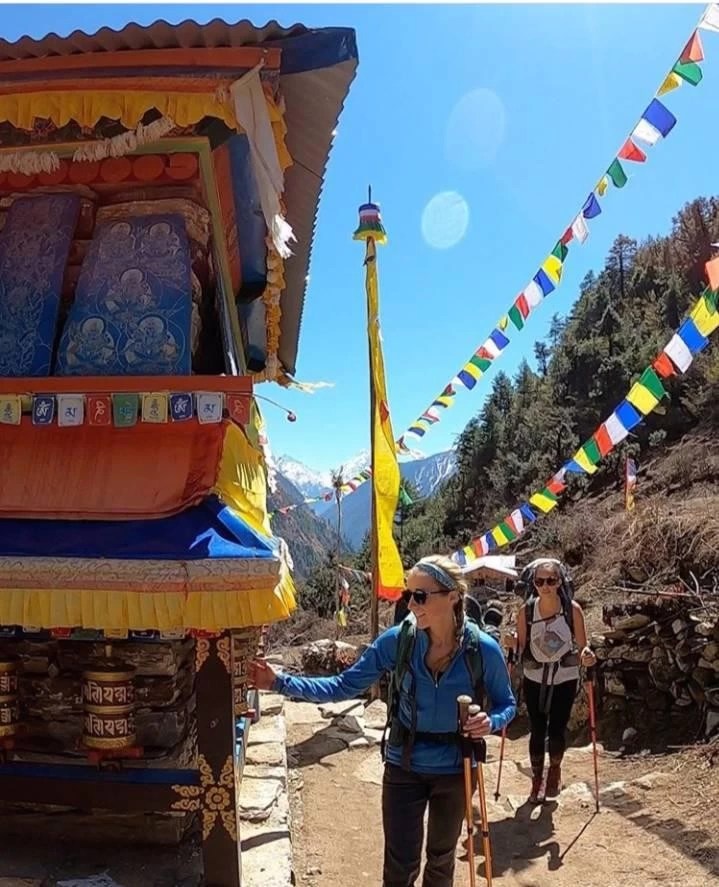
Terraced rice fields, rushing Buri Gandaki gorges, ancient Tibetan gompas, and snowbound alpine passes — all within a single circuit.
Villages along the route practice Tibetan Buddhism and speak dialects rarely heard by outsiders. Every teahouse is a genuine cultural exchange.
All the drama of a great Himalayan circuit — epic pass, river gorges, high villages — without the infrastructure that tames the experience.
Best seasons
Every veteran Nepal trekker who has done both calls Tsum Valley among their all-time favourites. This sacred Buddhist pilgrimage, beyul — surrounded by Ganesh Himal, Boudha Himal, and Himalchuli — connects directly to the Manaslu Circuit. Adding it requires at least 4 extra days, ideally a full week. We strongly recommend it and will help you plan the extension seamlessly.
At Adventure Sherpa Tracks, we believe the Himalayas belong to every traveller. Our pricing is transparent, fair, and fully inclusive — with flexibility built in depending on your mode of transport, city accommodation preference, and food & beverage choices.
Trip Highlight
DAY
1
Arrive Kathmandu — hotel transfer
International arrival at Tribhuvan International Airport (1,300 m / 4,264 ft). Transfer to your hotel in Thamel. Welcome briefing with your Adventure Sherpa Tracks guide: permits, gear check, and trip overview. Rest and acclimatise to the city before the adventure begins.
DAY
2
Kathmandu — sightseeing & trek preparation
A free day to explore Kathmandu's UNESCO World Heritage sites: Swayambhunath Stupa, Pashupatinath Temple, and Boudhanath. Final permit processing (Manaslu Conservation Area Permit, Restricted Area Permit, TIMS). Equipment purchase or rental in if needed. Evening trip briefing
DAY
3
DAY
4
DAY
5
DAY
6
DAY
7
DAY
8
DAY
9
DAY
10
Samagaon → Samdo (3,860 m / 12,660 ft) — ~10 km
A relatively relaxed day that carries significant cultural weight. The trail skirts the Nepal–Tibet border, and Samdo village is inhabited by Tibetan refugees who settled here generations ago — the Nuri people. Stone-walled houses, sky-blue doors, and a working trade route to Tibet create a scene unlike anywhere else on the circuit. Altitude gain: +330 m. Duration: 4–5 hours.
DAY
11
DAY
12
DAY
13
DAY
14
DAY
15
DAY
16
DAY
17
Trip Start: 2026-10-08
Trip End: 2026-10-26
+ 2 pax spots available
Trip Start: 2026-11-25
Trip End: 2025-11-11
spots available
The main emphasis while trekking is on keeping warm and dry while still being lightweight. You should bring a rucksack or backpack for the gear required during the day. Your pack should contain items such as warm clothes, a jacket, a camera, water bottles, a personal first aid kit, and snacks. The weight limit is 5kg. A porter will carry the rest of your personal equipment packed in a duffel or kit bag. The weight limit for your duffel bag is 15 kg however it is different in the case of peak climbing and expedition.
A Note on Packing
For your international flights, we recommend that you pack all your equipment in your two duffle bags or suitcase. Do not simply pack your backpack (since the straps can be damaged by the baggage handling machines). It is important to lock these bags for their trip. Depending on the airport, you may be able to put your travel locks on after TSA has searched the bags. If not, Lock the bags with Zip Ties. If the TSA cuts off the zip-tie to search your bag, they will replace it. You will still need the travel locks to lock your bags in the hotel and during the trek. Generally, you will take one duffel on the trek , and leave one in the hotel in Kathmandu with your belongings for your time in the city. Your trek in duffel will only be accessible in the evenings (with items such as changes of clothing, sleeping bag), and your day pack will hold vitals such as water, layering, blister kit, and camera.
FOOTWEAR
Conclusion:
As the weather condition is unpredictable in the Himalayan region, you need to be prepared at all times. A day can start sunny with clear skies and later become cold and windy at the high altitudes.
Sometimes, it can rain and snow during the trekking period. You need to remember that for a successful trekking journey, your physical comfort must be the first priority.
Note:
Please note that these items listed above will vary according to the season, trek duration. Please remember that your luggage will be carried by the porter, but you need to carry a daypack on your own. We also suggest you pack only necessary items to keep the weight of your equipment to a minimum. Carrying a day pack only applies to the trekkers who take full package with us and those who take only guide they should bring the bag big enough to carry their own stuff. If you have any questions, please do not hesitate to contact us at your convenience.
1
Yes — the Manaslu Circuit passes through a Restricted Area, which means it requires more permits than standard Nepal treks. There are three mandatory permits every trekker must obtain before setting off. Manaslu Conservation Area Permit (MCAP) Annapurna Conservation Area Permit (ACAP) Restricted Area Permit (RAP) — mandatory The Restricted Area Permit is the key one. It requires trekkers to travel in groups of at least two and be accompanied by a licensed government guide at all times — solo trekking is not permitted in the restricted zone. Adventure Sherpa Tracks handles all permit arrangements as part of your package, so you don't need to navigate the paperwork yourself.
2
Altitude sickness (Acute Mountain Sickness, or AMS) is the most important safety consideration on this trek. The circuit climbs from ~900 m to 5,160 m over 10 days — a gain that must be managed carefully. The good news is that the itinerary is designed with acclimatisation built in. AMS risk starts above 2,500 m Rest day at Samagaon (Day 9) Never ascend with AMS symptoms Key rules: ascend slowly, never skip the acclimatisation day at Samagaon, drink 3–4 litres of water daily, avoid alcohol above 3,000 m, and always follow the golden rule — if symptoms worsen, descend immediately. Common AMS symptoms include headache, nausea, dizziness, and difficulty sleeping. Your Adventure Sherpa Tracks guide carries a pulse oximeter and first-aid kit, and is trained to assess and respond to AMS. Consult your doctor before the trek about Acetazolamide (Diamox) — a prescription medication that can help with acclimatisation. Travel insurance that covers high-altitude helicopter evacuation is strongly recommended and considered essential by our guides.
3
The Manaslu Circuit is a teahouse trek — you stay in locally run guesthouses (teahouses) along the route every night. This is part of what makes the experience so culturally rich: you eat, sleep, and share stories in family-run homes, not resort hotels. Local teahouse guesthouses Dal bhat, noodles, soups, eggs Limited WiFi above Deng Teahouse quality improves year on year, but the circuit is less developed than Everest or Annapurna. Lower valley stops have comfortable twin-bed rooms; higher altitude stops (Samdo, Dharamsala) are more basic with thinner mattresses and shared facilities. Hot showers are available at most stops for a small charge. Food is hearty mountain fare: dal bhat (rice and lentil curry), noodle soups, momos, porridge, eggs, and seasonal vegetables. Menus grow simpler above Samagaon. Bring a good sleeping bag liner — teahouse blankets are provided but a liner adds warmth and comfort, especially above 3,500 m.
4
This Manaslu trek is best done in pre-monsoon season i.e. from March to May and post-monsoon season i.e. from late September to December. In general, any time during October, November, April and May are considered the best months. Other recommended months for this trek are September, December and March. We do not recommend doing this trek during the rest of the months. Due to heavy snowfall in January and February it becomes very risky to cross the Larkya La Pass. Likewise, heavy rainfall causing flood and landslide can be experienced during June, July and August, so it is better to avoid these months.
5
The Manaslu Circuit Trek is a moderate to challenging trek that involves long hours of continuous hiking, steep ascents and descents, and high altitudes